Teeth Whitening: Facts, Myths, and What Really Works
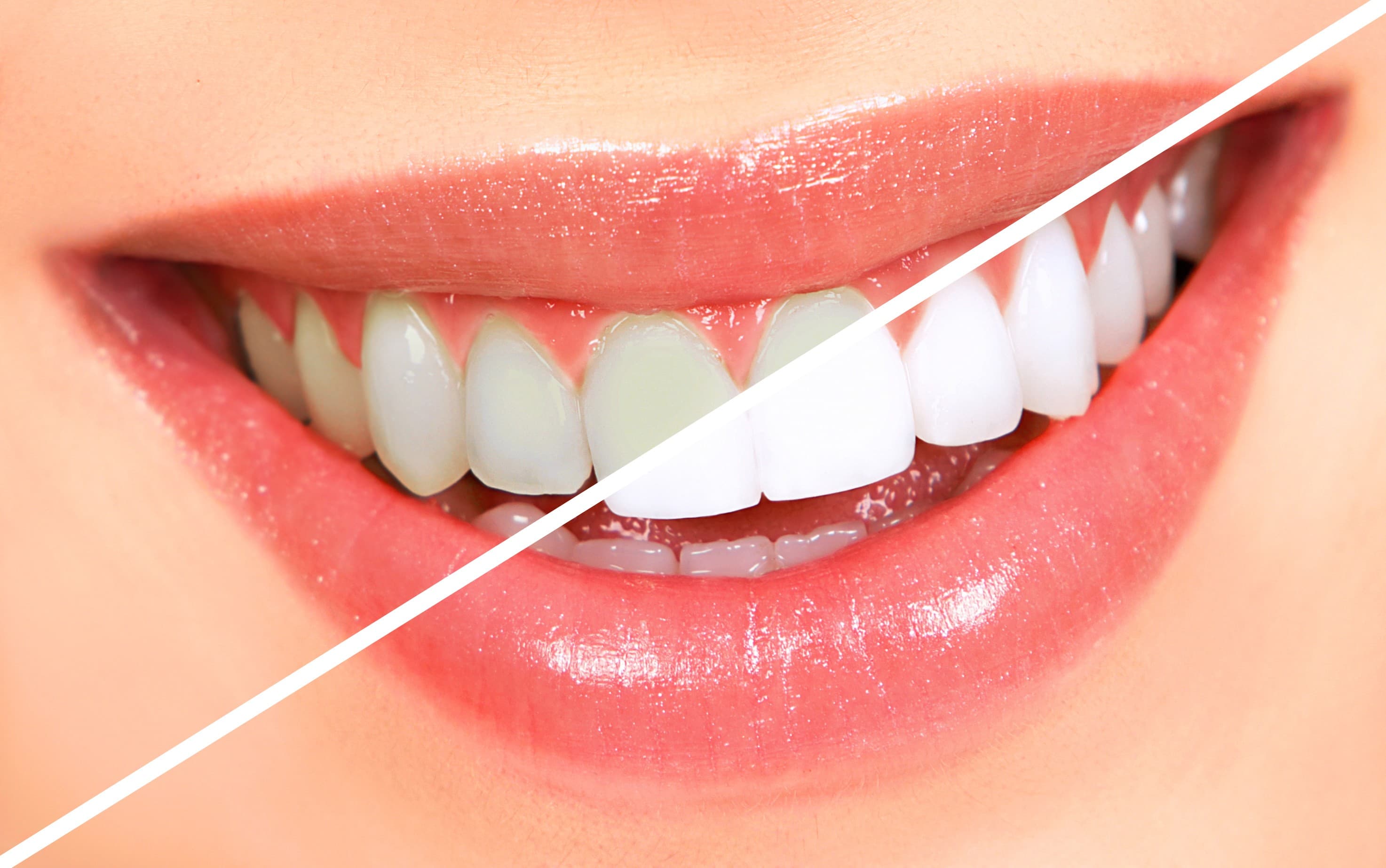
From DIY hacks to professional treatments, teeth whitening is everywhere. But what actually works, and what's safe?
How Whitening Works
Whitening agents (usually hydrogen peroxide or carbamide peroxide) penetrate the enamel and break down stains. Professional treatments use higher concentrations in a controlled setting, so results are faster and safer.
Myth vs. Fact
- *Myth:* Baking soda and lemon whiten teeth. *Fact:* They can erode enamel and cause sensitivity.
- *Myth:* Whitening damages teeth. *Fact:* Professionally supervised whitening is safe when done correctly.
- *Myth:* Results last forever. *Fact:* Stains return over time; touch-ups help maintain brightness.
At-Home vs. In-Office
At-home trays from your dentist are custom-fitted and use safe concentrations. In-office whitening gives noticeable results in one visit. Both are effective when done under professional guidance.
Who Should (and Shouldn't) Whiten
Whitening works on natural teeth. It won't change the colour of crowns, veneers, or fillings. People with sensitive teeth, gum disease, or certain restorations should discuss options with their dentist first.
The Takeaway
Skip the internet hacks. Consult your dentist for a whitening plan tailored to your smile.